
Recreational Vehicle Insurance in Vinton, VA
Owning an RV represents a significant financial investment, and the liability exposure that comes with operating one on public roads adds another layer of risk that a standard auto policy does not address. 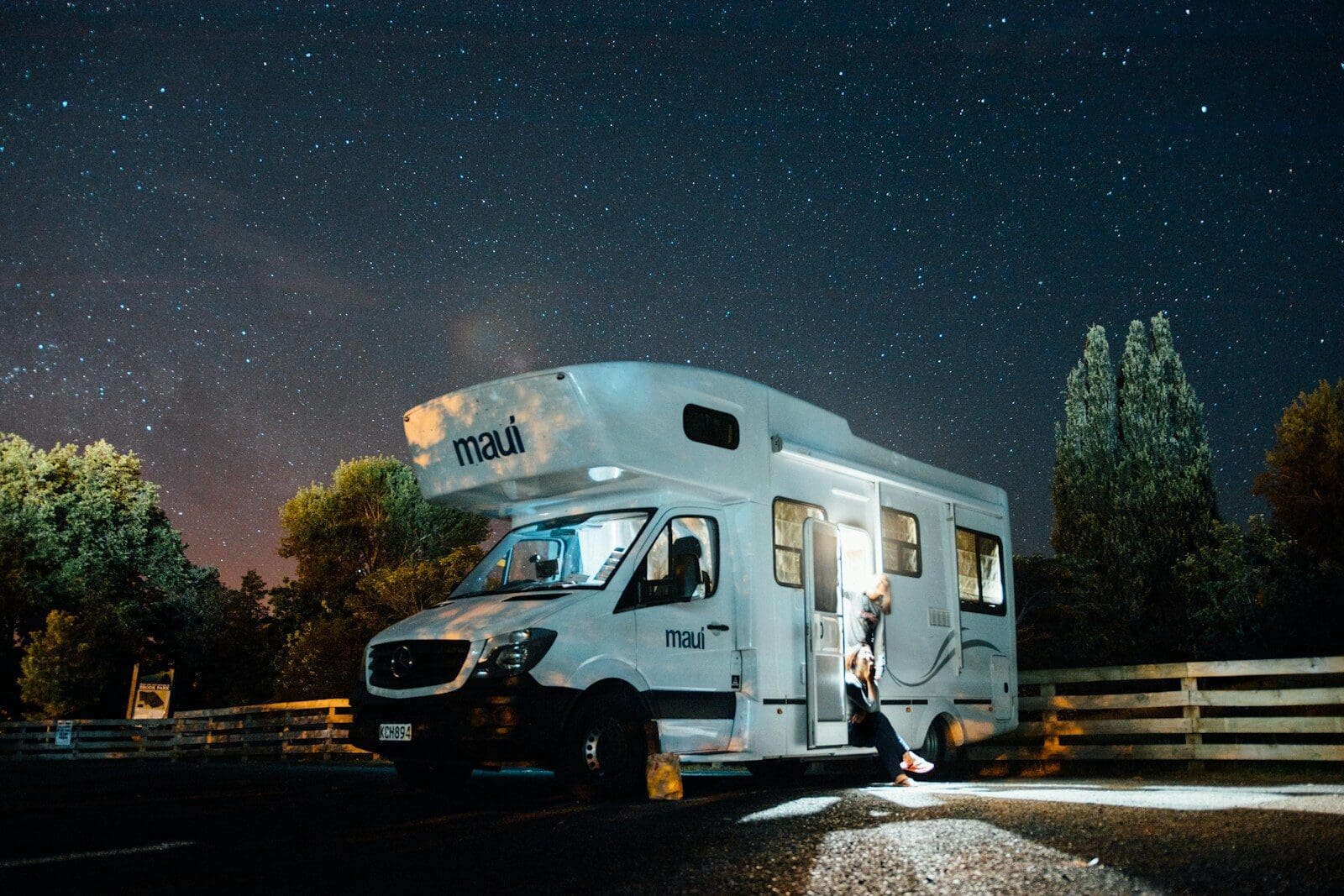
RVs are used seasonally by many owners, stored for months at a time and sometimes serve as temporary or permanent living spaces, each of which creates coverage needs that fall outside conventional vehicle insurance.
What Is Recreational Vehicle Insurance?
Recreational vehicle insurance is a standalone policy designed to cover motorhomes, travel trailers, fifth wheels and camper vans. It combines elements of auto and property insurance into a single structure that reflects how RVs are actually used, whether parked at a campground, in transit or stored over the winter.
What Is Covered in a Standard Policy?
Coverage varies by insurer and policy tier, but a standard RV policy typically includes:
- Liability coverage—May help cover bodily injury and property damage you cause to others
- Collision coverage—May help cover damage to your RV from an accident
- Comprehensive coverage—May help cover theft, fire, weather damage and other noncollision losses
- Personal belongings coverage—May help cover clothing, electronics and gear stored inside
- Emergency expense coverage—May help cover lodging or transportation if your RV becomes unusable while traveling
- Total loss replacement—May apply to newer units, depending on the policy
Is RV Insurance Mandatory?
Any motorized RV that is driven on public roads is subject to state-required liability minimums, just as a personal vehicle would be. Towed units such as travel trailers generally rely on the tow vehicle’s liability coverage rather than carrying state-required minimums of their own, though financing agreements often require physical damage coverage regardless of state law.
Get the Right Coverage for Your RV
Contact B.E.S.T. Insurance Agency, Inc to review your options and build a policy that matches how you use your vehicle, where you store it and what you have inside it.